Raising a Calm Dog in an Active Household: Tips for Peaceful Coexistence
Living in a busy household—whether with kids, multiple pets, or a bustling lifestyle—can make it challenging for a dog to stay calm. Even the most well-behaved dogs can become overstimulated, jumpy, or reactive when life is full of movement, noise, and excitement.
The good news? You can raise a calm, confident dog in an active environment. It’s all about structure, routine, and teaching your dog to self-regulate while still enjoying life.
Step 1: Establish Predictable Routines
Dogs thrive on predictability. In a busy household, a consistent daily schedule gives your dog a sense of security.
-
Meal times: Feed at roughly the same time each day.
-
Walks and exercise: Schedule regular physical activity so your dog can release energy predictably.
-
Training sessions: Short, consistent sessions (5–10 minutes, 2–3 times per day) reinforce calm behavior and skills.
Step 2: Create a Safe, Quiet Space
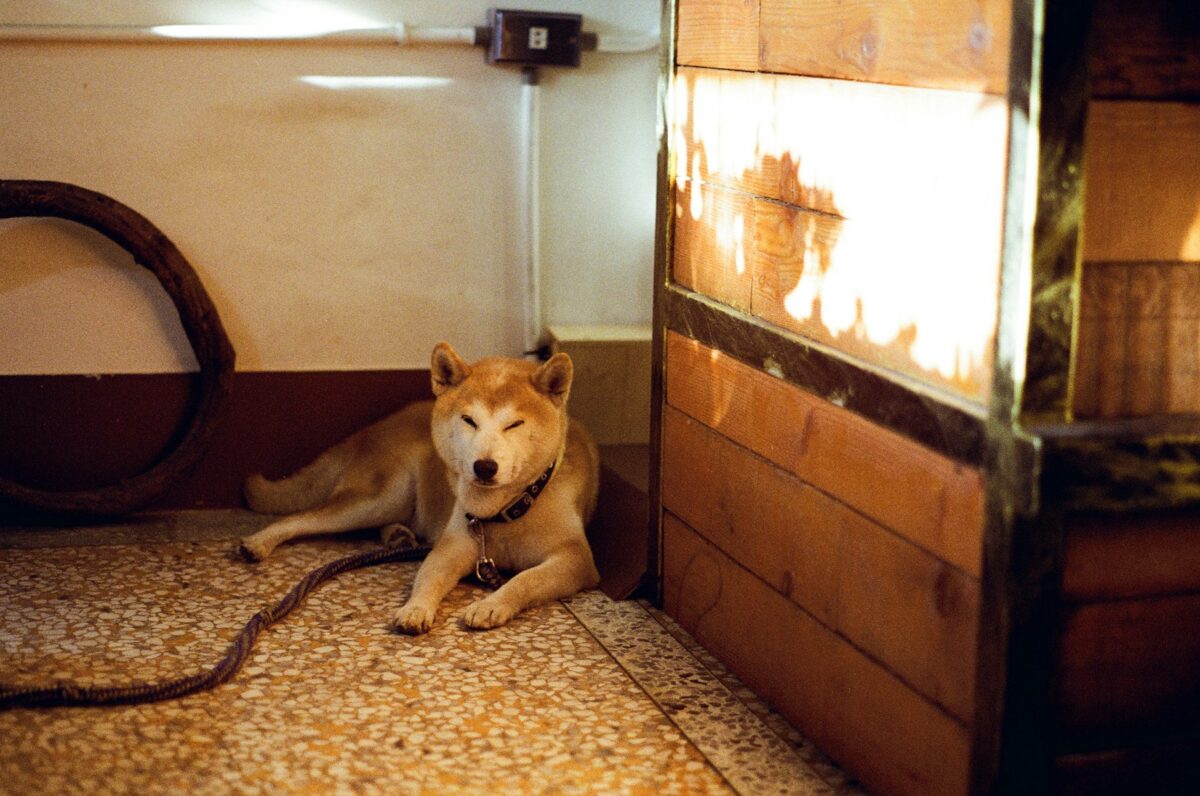
Even in the busiest homes, your dog needs a place to retreat and recharge.
-
Choose a low-traffic room or corner.
-
Provide a bed, blanket, or crate (if crate-trained positively).
-
Add a few favorite toys or chews.
Step 3: Teach Calm Behaviors
-
Settle on a mat or bed: Reward your dog for lying quietly.
-
Wait at doors or gates: Reinforces impulse control.
-
Loose-leash walking: Practice walking calmly past distractions.
-
Quiet greetings: Reward calm approaches instead of jumping or barking.
Step 4: Manage Energy Levels
-
Daily exercise: Walks, runs, or play sessions to burn physical energy.
-
Mental stimulation: Puzzle toys, scent games, or basic obedience exercises challenge the brain.
-
Structured play: Controlled games like tug with rules or fetch on command help release energy without chaos.
Step 5: Model Calm Behavior
Dogs are highly sensitive to human energy. In a lively home, your own calm demeanor is key.
-
Speak in a relaxed, consistent tone.
-
Move deliberately rather than rushing or yelling.
-
Reward calm behavior instead of reacting to excitement.
Step 6: Gradual Exposure to Household Activity
-
Start with short periods of activity, rewarding calm behavior.
-
Slowly increase exposure to kids running, chores being done, or multiple pets moving around.
-
Always reward composure—never punish reactions.
Step 7: Consistency and Patience
Raising a calm dog in an active household takes time. Progress may be slow, and setbacks are normal.
-
Stick to routines even when life feels hectic.
-
Reinforce calm behavior consistently.
-
Celebrate small wins, like a dog lying quietly during a busy dinner.
Final Thoughts
A calm dog in a busy home isn’t born—they’re raised. By creating structure, safe spaces, consistent routines, and positive reinforcement, you give your dog the tools to regulate themselves.